
Where automotive commerce loses time between fitment, stock and order
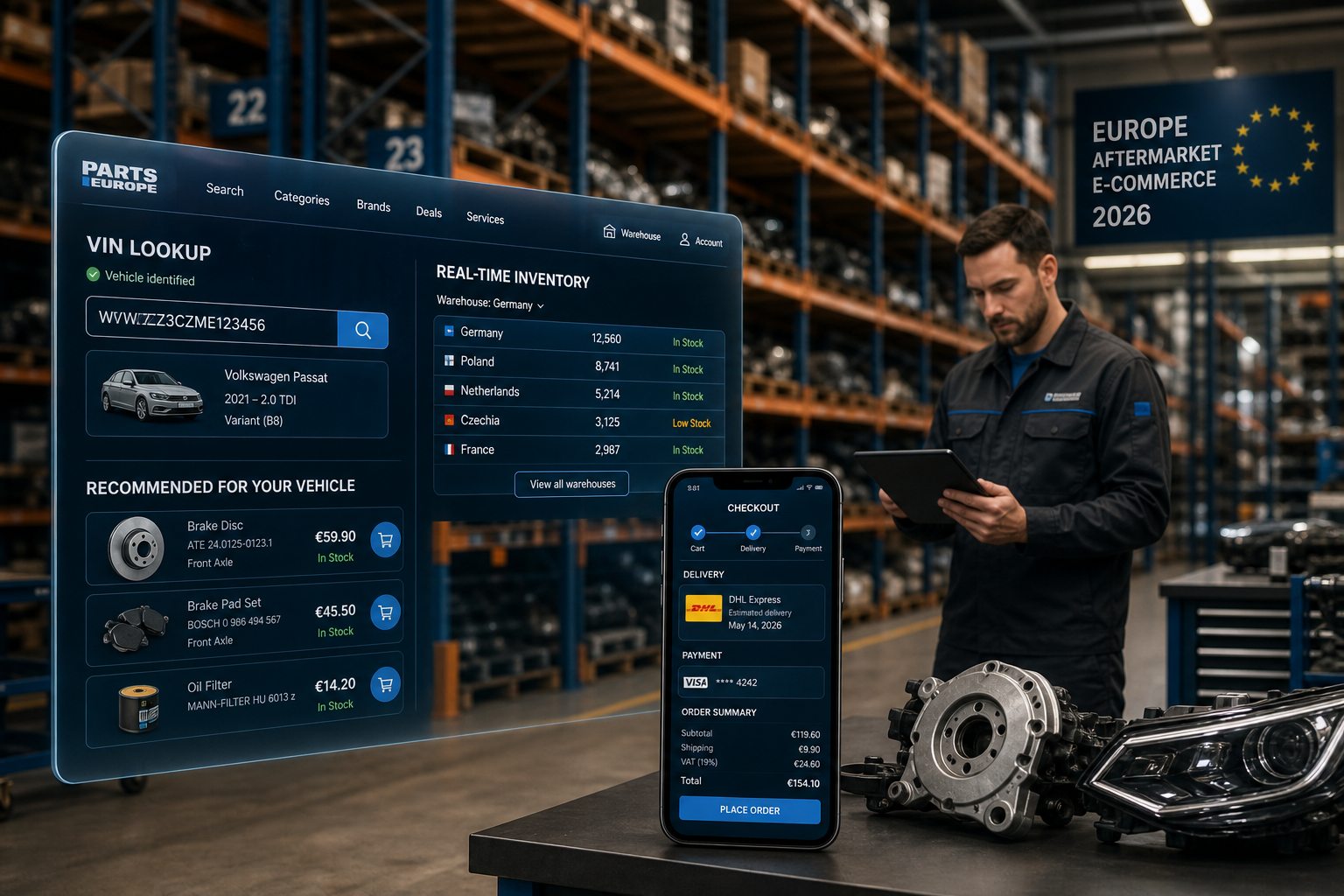
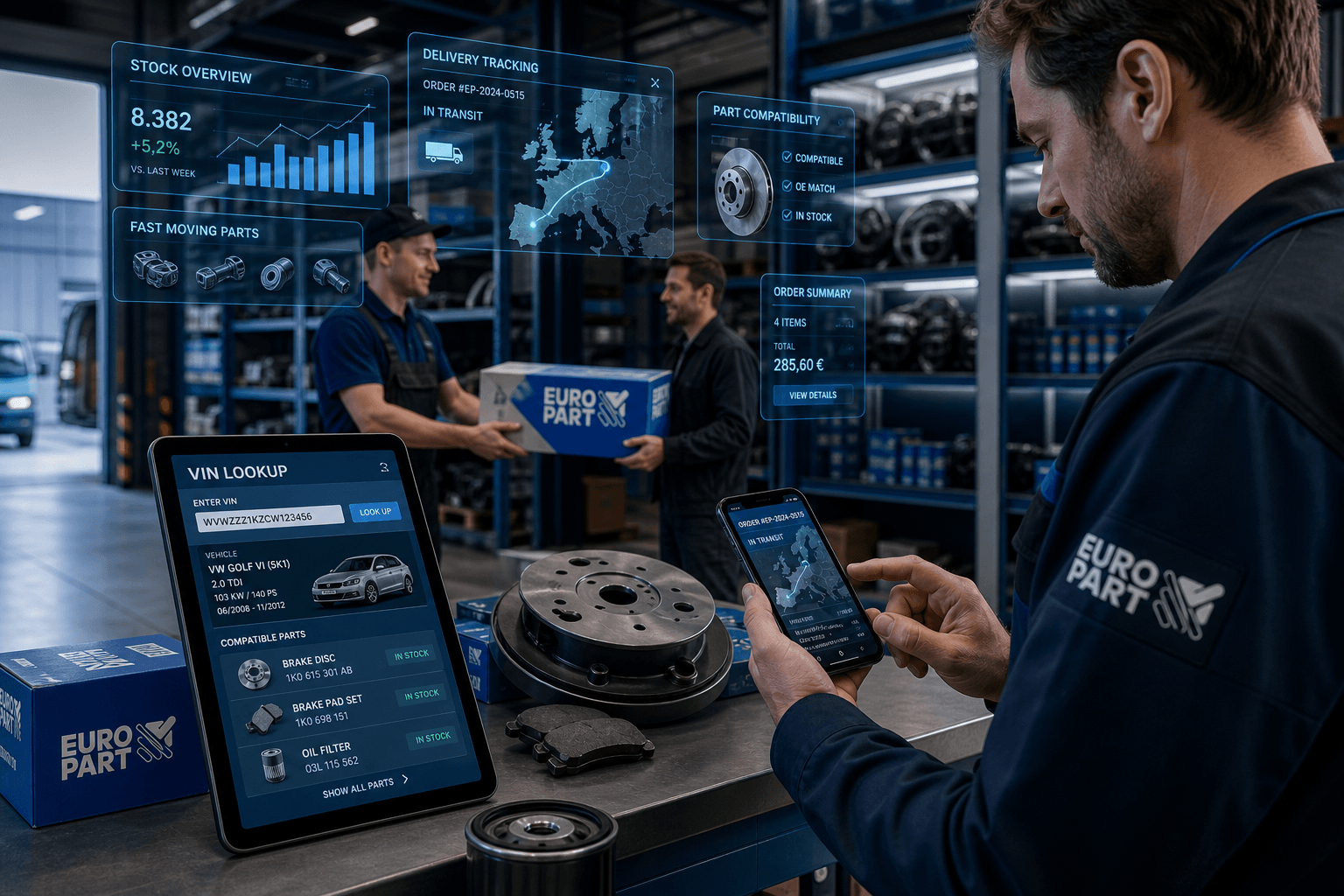
An automotive commerce workflow loses time when vehicle fitment, part options, supplier availability, customer approval and order status are handled as separate tasks. A reliable storefront matters, but the most expensive delays usually appear in the handoffs between systems and people.
A part can be correctly identified and still fail to become an order. The fitment result is copied into another tool, availability is checked in a separate supplier portal, the quotation is rebuilt in email, and the customer’s choice remains in a conversation that the rest of the team cannot see.
Why does correct fitment not guarantee a completed order?
Fitment answers whether a part matches a vehicle configuration. It does not automatically confirm current stock, the commercial price, the delivery date or the supplier conditions. When that context is lost after identification, the team must rebuild the case before it can send a reliable quotation.
The minimum record should keep the VIN or vehicle selection, OE reference, compatible alternatives and the reason for the final recommendation together. This gives the next person in the workflow enough context to continue without repeating the identification step.
What happens when availability is separated from fitment?
Fast supplier data is useful only when it remains connected to the vehicle and the selected part. Availability without fitment creates speed with compatibility risk. Fitment without current availability creates a correct answer that the customer may not be able to buy.
A connected process compares each relevant option using the same commercial criteria: compatibility, brand, current availability, price, expected delivery and supplier conditions. It should also distinguish between live supplier confirmation and older imported data.
Where does the quotation lose context?
Quotations become slow when the employee has to copy codes, prices and delivery details into a separate message. A customer may approve one alternative by phone or email, but that decision does not update the original case. The order then has to be reconstructed once again.
The quotation should preserve the relationship between the vehicle, the recommended options and the commercial conditions shown at that moment. Customer approval should convert the selected option into an order without re-entering the same information.
What is the minimum connected workflow?
- Vehicle: VIN, model, engine and relevant configuration.
- Part: OE reference, alternatives and compatibility criteria.
- Supplier: stock, price, delivery estimate and conditions.
- Customer choice: the option presented, approved and communicated.
- Order: selected product, supplier, status and change history.
Human review remains essential for incomplete vehicle data, ambiguous fitment, unusual commercial conditions and technical exceptions. Digital Transformation should remove repeated copying and status chasing while keeping expert decisions visible.
How can you diagnose the workflow before choosing technology?
Follow three different real orders from the first vehicle detail to the confirmed supplier order. Record where information is entered again, where someone waits for a response, where availability changes and where the team has to ask for status.
This small exercise reveals whether the first useful connection belongs between fitment and catalogue data, catalogue and supplier availability, quotation and customer approval, or approval and order processing. It prevents a business from replacing a visible tool while leaving the broken handoff untouched.
Which metrics show that the workflow is improving?
- median time from vehicle identification to a complete quotation;
- first-pass fitment accuracy;
- consistency of supplier availability and delivery responses;
- share of orders with status visible in one place;
- number of exceptions that require manual intervention;
- customer callbacks caused by a changed part or delivery date.
Frequently asked questions
Is VIN search enough for accurate part identification?
VIN search reduces ambiguity, but equipment variations and incomplete source data can still require expert verification. The vehicle context and the final fitment decision should remain attached to the case.
Does a connected workflow require replacing the existing ERP?
Not necessarily. Start by identifying which data and steps can be connected reliably. Replace a component only when it prevents the complete workflow from operating correctly.
What if a supplier does not provide an API?
The process can begin with controlled imports and explicit update rules. Older stock data must be labelled correctly and should never be presented as live confirmation.
Should every exception be automated?
No. Compatibility disputes, unusual vehicle configurations and commercial exceptions need a visible human checkpoint. Automation should reduce repetitive work, not hide responsible decisions.
What should an automotive business connect first?
Connect the handoff that causes the most repeated work or waiting in real orders. Three traced orders usually provide enough evidence to define the first practical improvement.
Map the handoffs before rebuilding the storefront
If your team repeatedly rebuilds the same case between fitment, stock, quotation and order, book an automotive commerce discovery call. We will review one real workflow and identify the first connection worth validating.
AUTOHUB | Digital Transformation for Auto Parts Businesses